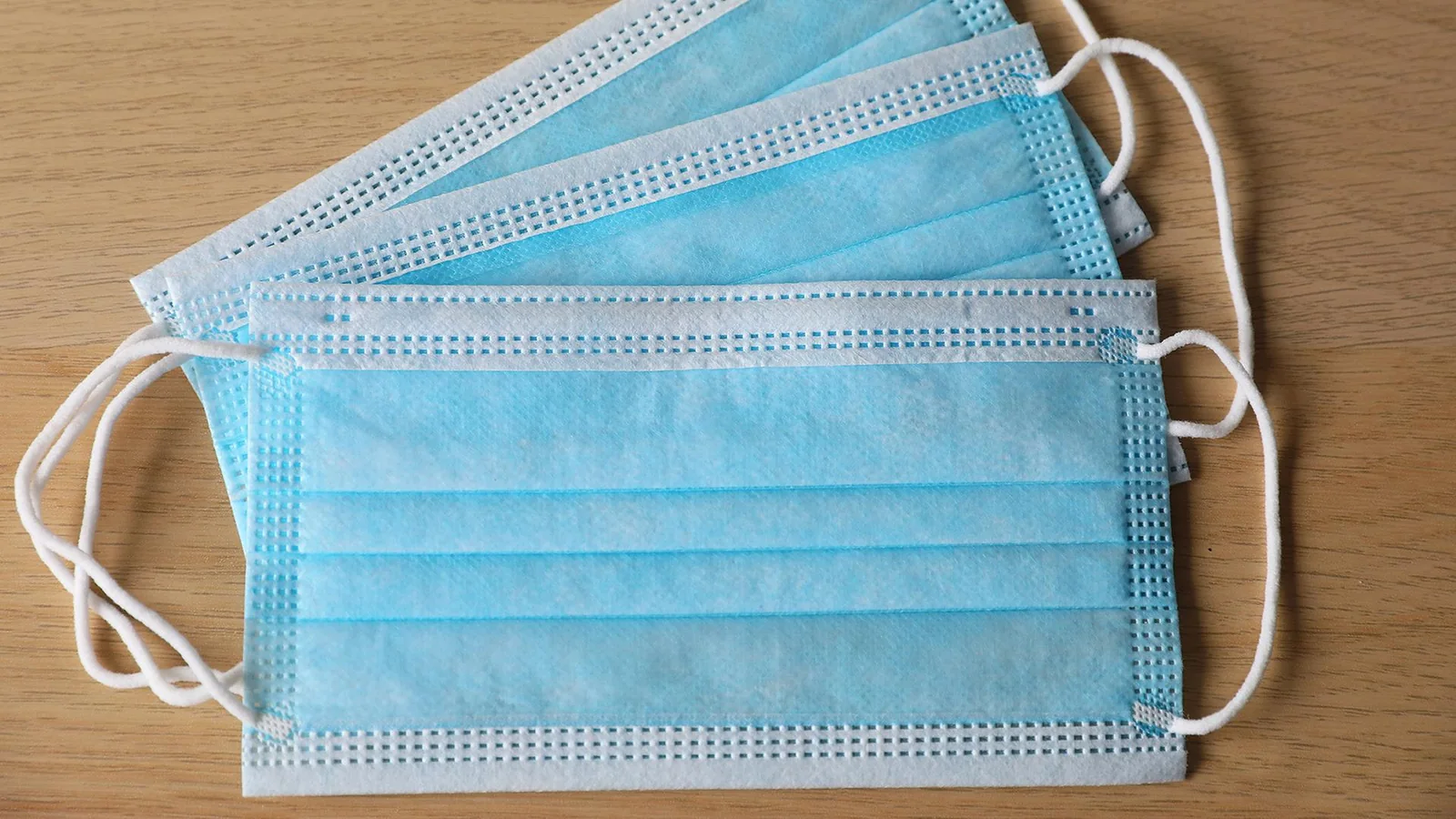
This expressly concerns surgical masks: in the randomised DANMASK-19 trial, 1.8% of the group receiving a mask recommendation became infected, compared with 2.1% of the group without one. Additional protection for the wearer was not statistically established. The odds ratio was 0.82; the 95% confidence interval ranged from 0.54 to 1.23. [27]
The pooled community studies also showed no established reduction in laboratory-confirmed infections. Cochrane 2023: relative risk 1.01, 95% confidence interval 0.72–1.42 for laboratory-confirmed influenza or SARS-CoV-2 across six studies. Usage and study quality limit what can be concluded. [11]
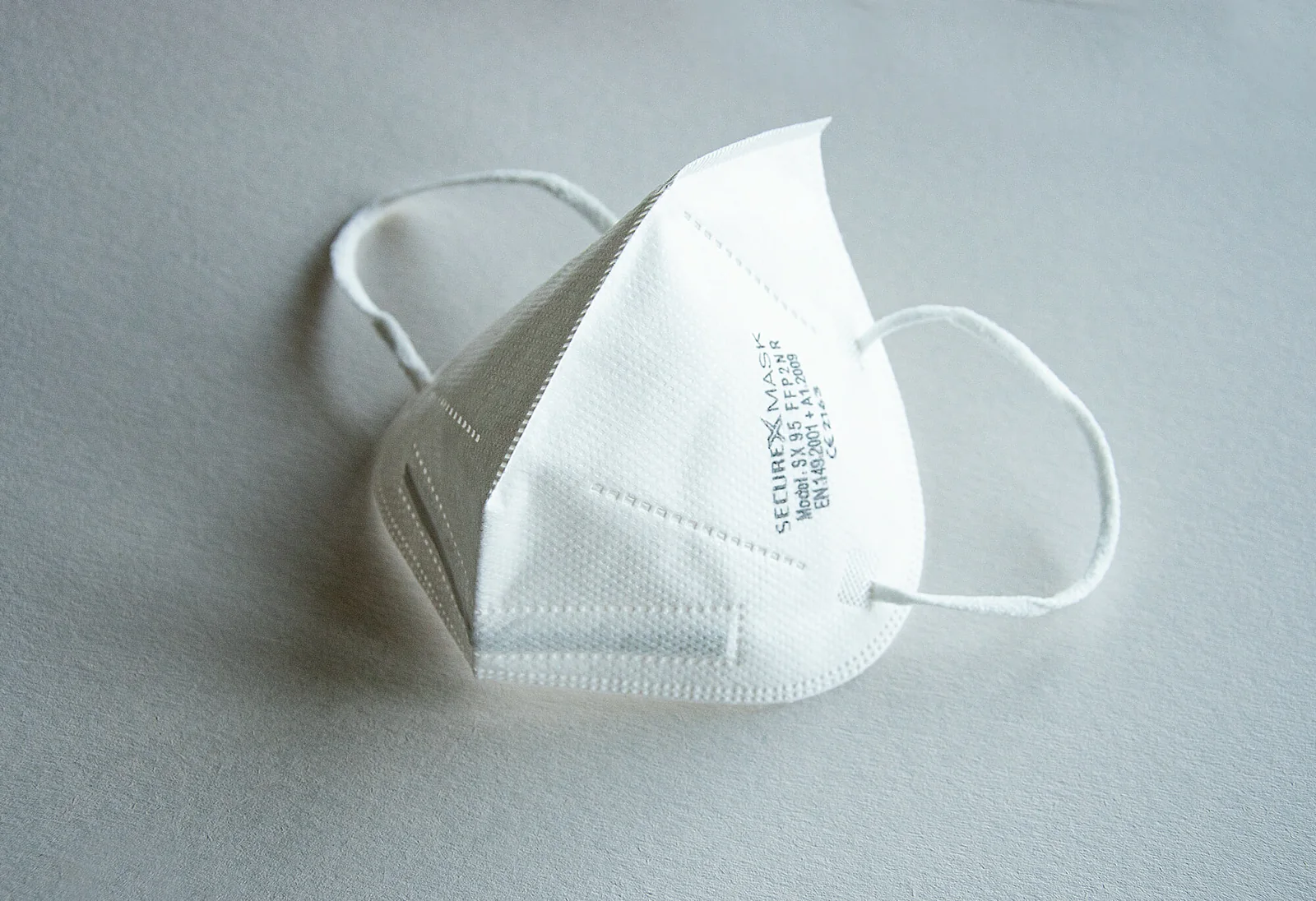
The FFP2 mandate had a further evidence gap. According to the RKI, greater protection against transmission from FFP2 than from surgical masks among untrained people in everyday situations had not been demonstrated. Higher laboratory filtration performance does not guarantee that a person will avoid infection in everyday life. [24][41]
These findings do not establish that all masks are generally ineffective. They show what was not statistically established for the particular community measures and outcomes studied.
What the 2022 COVID policy evaluation actually recorded.
The expert committee considered masks a potentially effective tool. Correct fit and consistent use were crucial. The data available at the time did not support a general recommendation for FFP2; the committee preferred FFP2 in medical and care settings involving higher risk. The effects of mask mandates on children and in schools could not be conclusively assessed. [85]
The local Corona-Revision documents and further studies.
The available reading versions distinguish technical filtration performance, individual protection when used correctly, the effect of a community intervention and the additional benefit of a legal requirement. These are not interchangeable. [17]
Other randomised trials found benefits for particular outcomes: fewer self-reported respiratory symptoms in Norway and less symptomatic seropositivity in a mask campaign in Bangladesh. Findings must therefore be considered according to the intervention and outcome. [32][33]
Read the individual studies ↗